The hour before the reading room opens
Places editor · 2 September 2026
On this page
On Binder Street a volunteer set turns a former ticket office into a public table. The work happens before the first reader arrives.
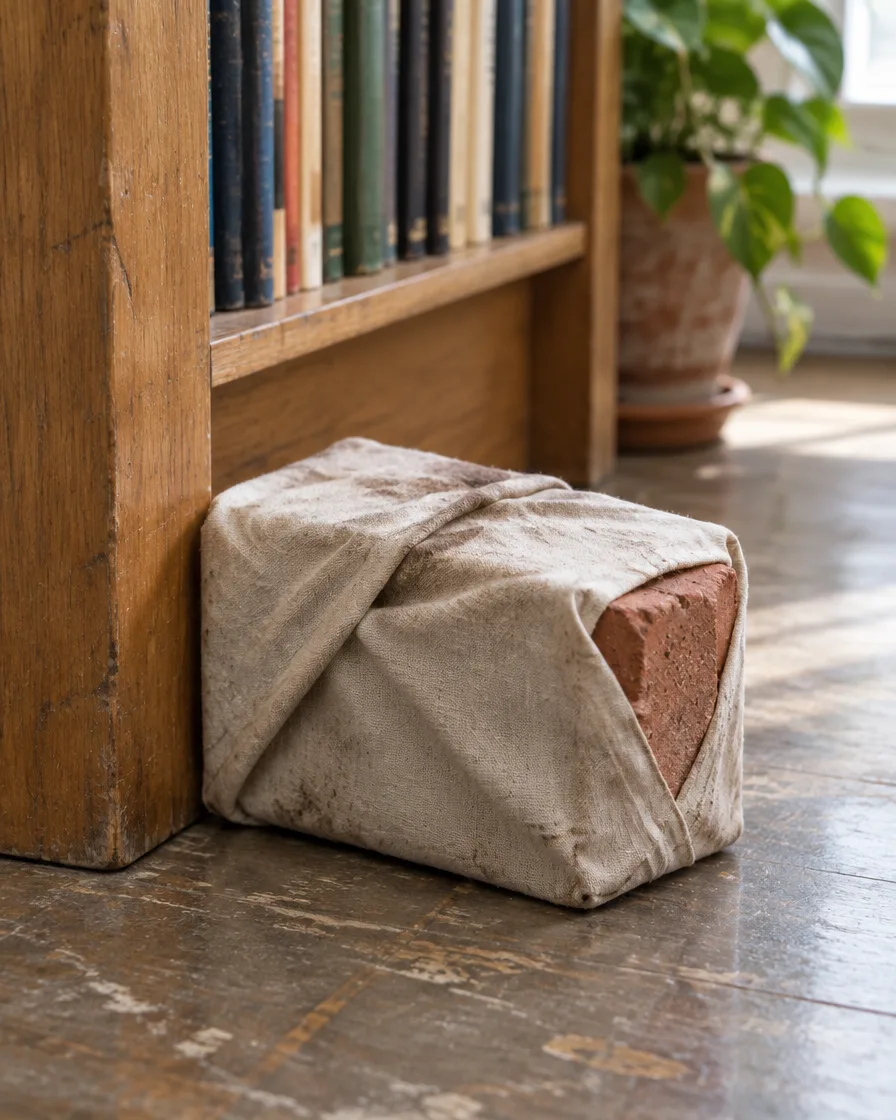
The key sticks. Lena Cho, who keeps the morning set, learned to lift the door a centimetre before turning it. Inside, the room still holds last night’s air: paper, lemon soap, and the faint metal of the radiator that never quite cools. She props the door with a brick wrapped in cloth so it will not slam when the first regular arrives. The brick used to be a doorstop in the ticket office that occupied this shell. Someone painted a timetable on the plaster and never fully sanded it away. You can still read the 18:12 to Harbour if you stand in the right light.
A room that used to sell tickets
Common Hours invented Binder Street. In this issue it stands for any small civic room that survived by changing jobs. The ticket window is now a returns desk. The bench where people once waited for a delayed train is the only place two strangers can sit without facing a screen. Lena does not call it a library. The council already has one, six streets over, with a security gate and a printer that jams. This room has no gate. It has a kettle, a donations tin that is emptied every Sunday, and a rule written on a card: stay as long as you are reading, writing, or waiting for someone who is.
Opening is a sequence, not a mood. Lights, then blinds, then the table wiped toward the door so crumbs travel out instead of into the shelves. The newspapers are not newspapers. They are printouts of public notices that Lena collects from the community board: a lost cat, a choir rehearsal, a note about the market hall soup. She clips them to a string with wooden pegs. Readers treat the string as seriously as the books. People come for the notices and stay for the table.
What the hour is for
The hour before opening is not decoration. It is when the room decides what kind of public it will be that day. If the table is left from yesterday’s meeting, the first reader will sit at the edge and feel like a guest. If the chairs face the window, people talk. If they face the wall, they do not. Lena tried both for a month and kept a tally on the inside of a cupboard. Talk won on Tuesdays, silence on Thursdays. She now rotates the chairs without announcing a policy. Regulars notice anyway. One man asked if the room had joined a religion. She told him it had joined the weather.
There are four morning volunteers. None of them is paid. Two teach nearby. One prints posters for shops that still want paper. Lena used to manage a cinema box office until the chain closed the last two-screen house on the ring road. She keeps the same opening voice: not cheerful, not grim, just clear enough that a stranger knows the rules without being lectured. She will tell you where the toilets are before you ask. She will not tell you what to read.
A public that fits in a ticket office
Twenty-two chairs is the limit. More than that and the kettle queue crosses the returns desk. Lena does not expand. Expansion, in her telling, is how a room becomes a service and then a complaint form. The point of Binder Street is that you can see every person from the door. If someone needs a quieter corner, they take the window seat and the rest of the room understands without a sign. If a group arrives with a projector, she sends them to the market hall. The reading room is not a venue. It is a table with witnesses.
Sound is the other inventory. The kettle clicks twice before it boils. The radiator ticks in a rhythm Lena uses as a timer for wiping the far table. A bus outside takes the corner too fast and the window answers. She does not play music. A room that must hold readers cannot also hold a host’s taste. If someone arrives with headphones, that is their affair. If someone arrives with a speaker, they are asked to keep it in a bag. The rule is written on the same card as the stay-as-long sentence, in smaller type, because it is the rule people test.
At eight the first reader is usually the same woman with a folded transit map used as a bookmark. She nods at the brick, which is her way of saying the door is right. Lena writes the date on a slip and puts it in a tin, not because anyone audits the hours, but because the tin is how the volunteers prove to themselves that the room happened. Common Hours is a fictional journal, and Binder Street is a fictional street, but the argument is ordinary: a public room is made in the hour before it claims to be open. The rest of the day is only evidence.